Instant City: When architecture was light, ephemeral and free.
Your search results
April 1, 2025
Instant City: When architecture was light, ephemeral and free.
Published on April 1, 2025 by admin
@ArchDaily
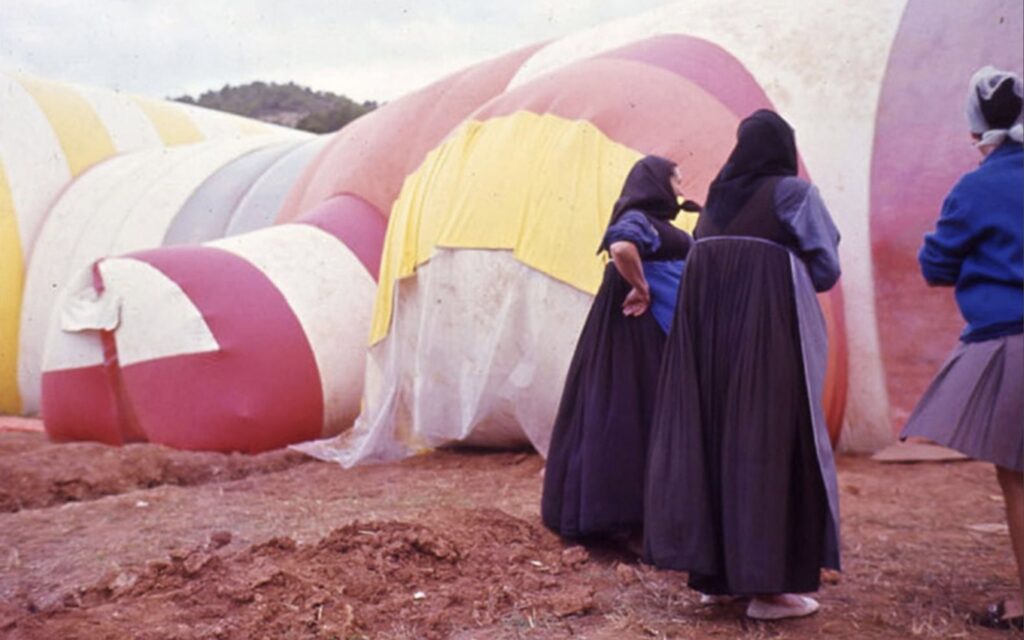
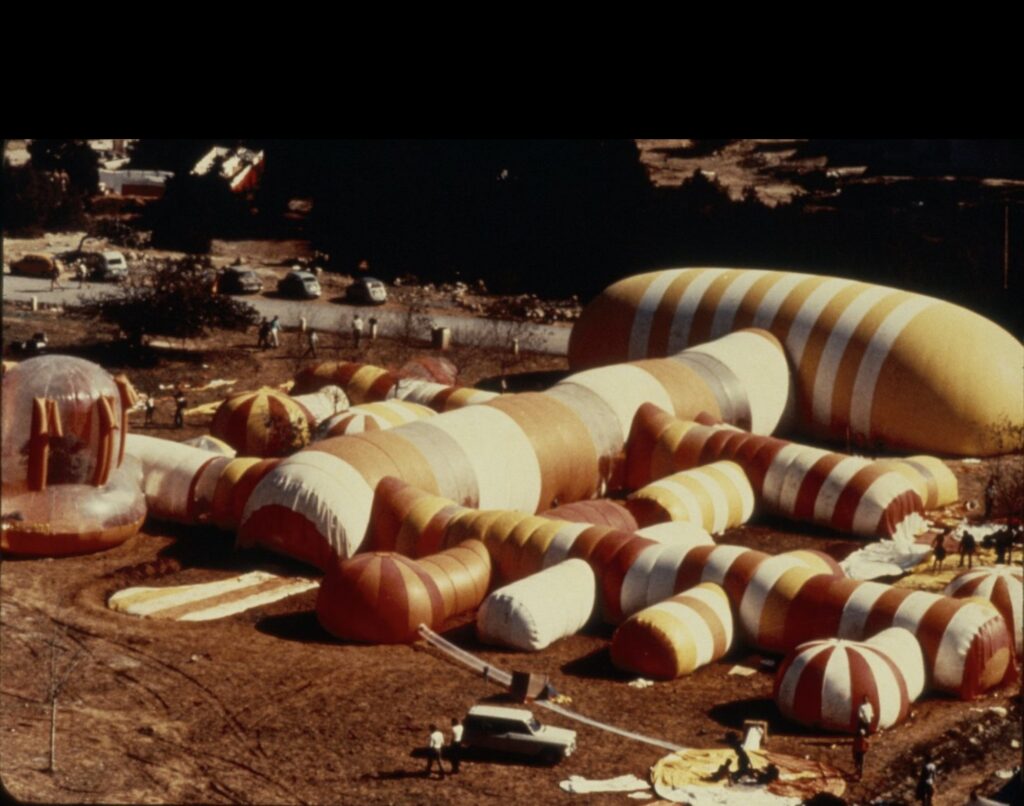
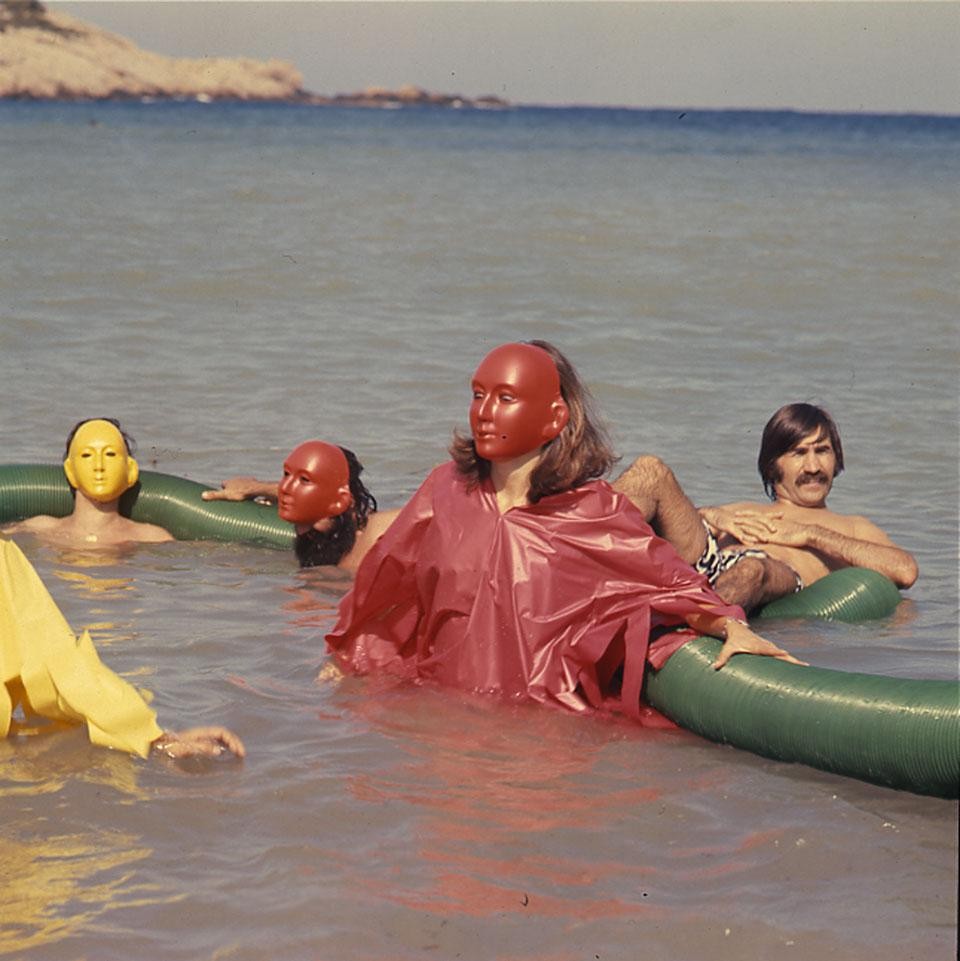
In 1971, the island of Ibiza hosted the biennial ICSID congress in San Miguel, becoming the stage for a bold and visionary architectural experiment. The goal was to accommodate hundreds of architecture students and later dismantle the structure without leaving a trace—thus, Instant City was born.
During the 1960s and 70s, Ibiza wasn’t the luxury destination we know today. It was an obscure, far-off haven for hippies, artists, and dreamers seeking freedom and inspiration.
@ArchDaily
@ArchDaily
A Lawless Paradise
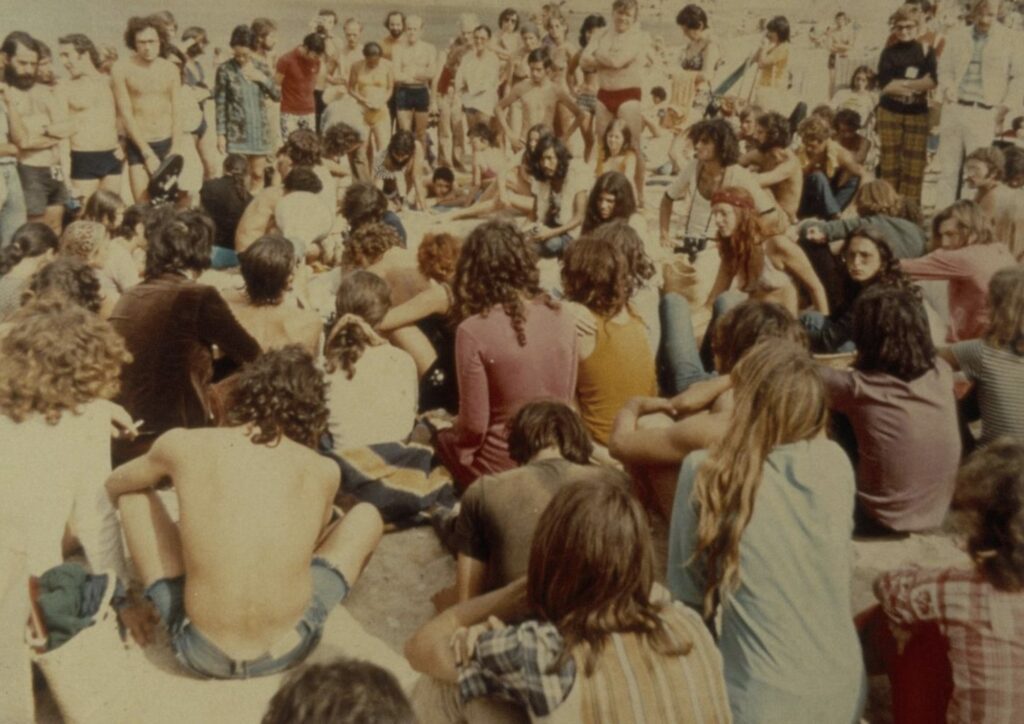
Before the clubs and yachts, Ibiza was the wild frontier of the Mediterranean. With no rules or police, hippies flocked there every summer with guitars, drums, and a simple philosophy: “Do what you want, but don’t mess with anyone. ” Instant City was like Burning Man before Burning Man—a mix of huts, tents, and an unmatched creative atmosphere.
@ArchDaily
@JotDown
Art, Music, and Controlled Chaos
It wasn’t all parties and weed. Instant City thrived on creativity: artists painted on any available surface, musicians improvised beach concerts and everything, from food to ideas was shared. It was a breeding ground for freedom and experimentation.
@ArchDaily
The Inflatable Heart
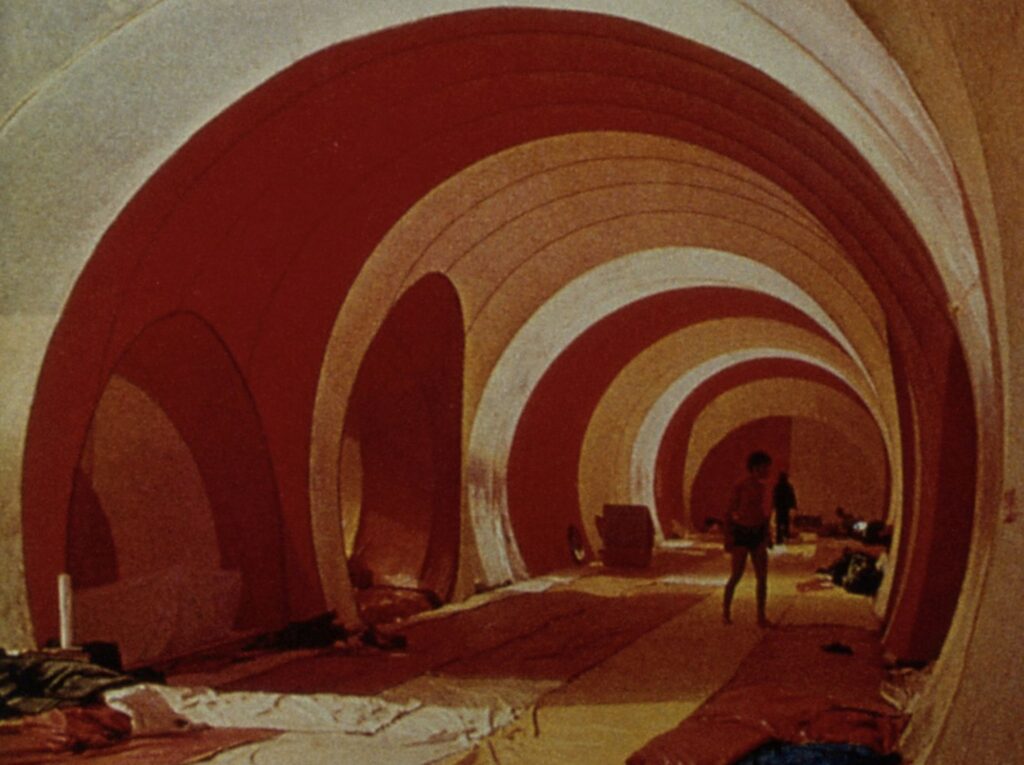
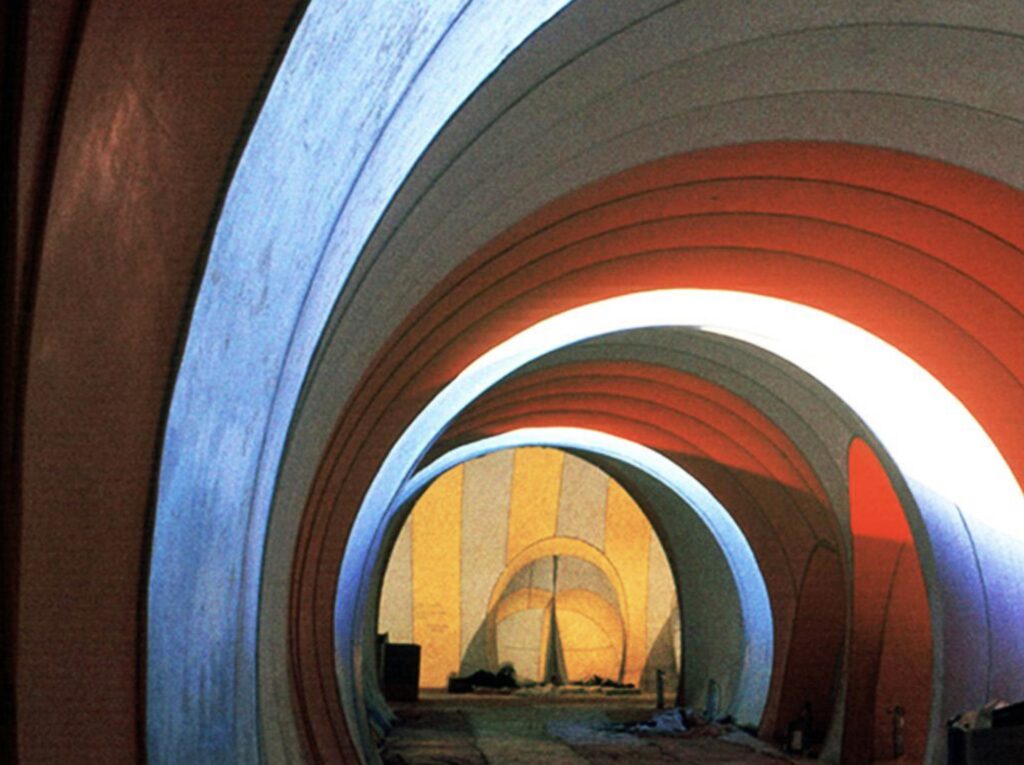
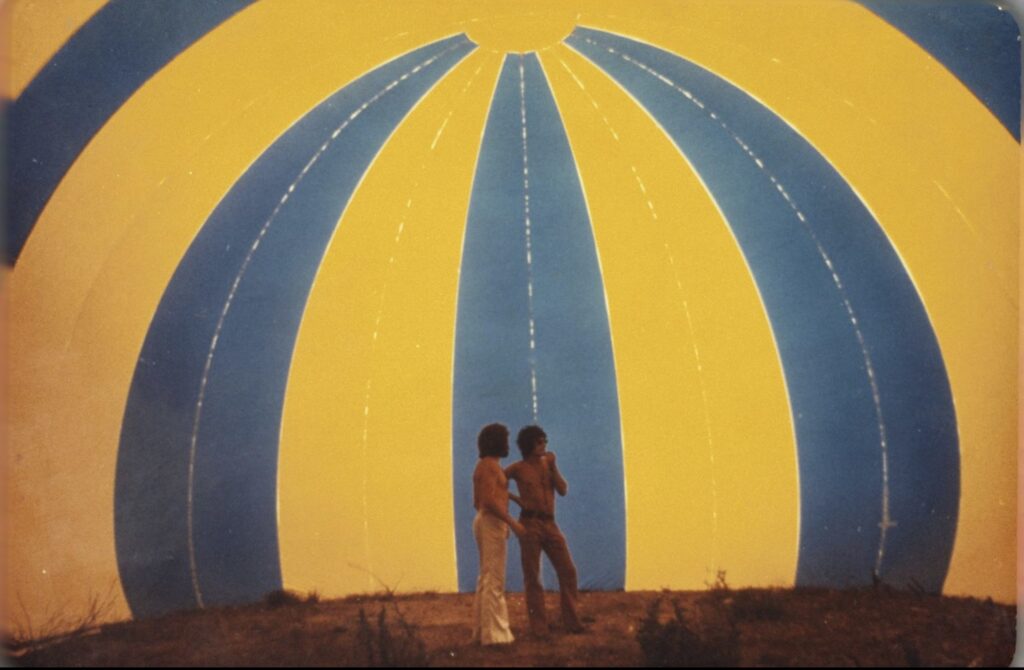
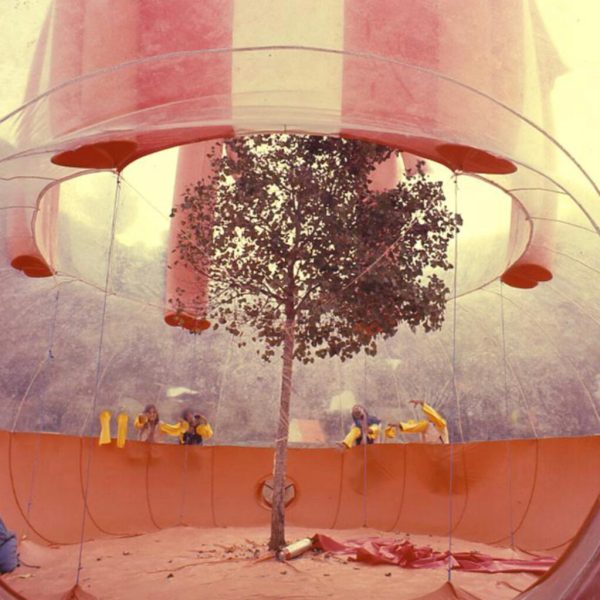
The highlight, of course, was the inflatable structure designed by architect @José Miguel de Prada Pooleat the request of @Carlos Ferrater, a renowned Spanish architect. With a laughable budget (150,000 pesetas, about €900 today), Prada Poole, a pioneer in inflatable design created a lightweight, ephemeral structure. This avant-garde construction served as a stage, shelter, and meeting point. Made from flexible, durable fabrics and powered by fans, it proved that creativity could forge unforgettable experiences.
@JotDown
@Ahaus
Less is More
None of today’s island luxuries existed back then. But nobody cared. People swam in the sea, cooked over campfires, and slept under the stars. Everyone reveled in the paradise that had sprung up around this marvelous structure.
@ArchDaily
Instant City wasn’t just an event, it was a place of collective experiences where community spirit reigned supreme. Though it’s long gone, it remains a shining example of how architecture can be more than static structures. It can be a total spectacle, an artistic manifesto, and a life-changing experience.